A massive dust storm, or haboob, swept across the Sahara Desert from western Algeria into Mauritania, Morocco, Western Sahara and the Canary Islands on March 30. The dust stretched for more than 1,000 miles.
As meteorologists observed the dust storm from space via weather satellites, social media users captured the incoming dust storm on camera. One video shows a thick wall of dust and sand moving toward a resident of the town of Tindouf, near the Mauritanian, Western Saharan and Moroccan borders.
How does the dust affect tropical storms in the Atlantic?
While this storm didn't make it too far off the coast, significant amounts of dust can drift westward from Africa across the Atlantic beginning in May. This can inhibit tropical storm formation, or the strengthening of an existing system, because the dusty air has about 50% less moisture than the typical tropical atmosphere.
Strong winds in the dust layer can also substantially increase the vertical wind shear in and around the storm environment, potentially disrupting any storm that forms.
latest_posts
- 1
 My skin feels drier, my lips thinner and my makeup heavier. How do I adjust my routine for aging skin?
 - 2Tourist trade in Greece and Cyprus suffering from Iran war effects
- 3Where America’s CO2 emissions come from – what you need to know, in charts
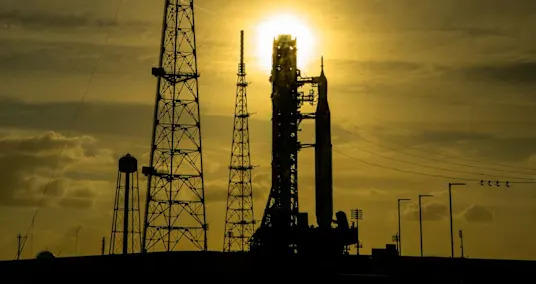
- 4NASA's Artemis 2 moon launch may be visible from Florida and southern Georgia today. Here's when to look
- 56 Pet Sitting Administrations for Your Cherished Pets



- Pick Your Number one sort of blossom
- Egypt seeks to calm tourist fears over fallout of Iran war
- Explora Journeys becomes latest cruise line to be impacted by Middle East war
- How to watch 'A Charlie Brown Christmas' for free this weekend
- Taste the World: Five Food sources That Have Dazzled Worldwide Palates
- Your big brain makes you human – count your neurons when you count your blessings
- Fisherman Attacked by Great White Shark Says ‘My Left Foot Was in His Mouth’
- 5 Indoor Plants That Further develop Air Quality
- Doctored NXT Summit footage falsely portrays Modi as declaring war on Iran and Pakistan