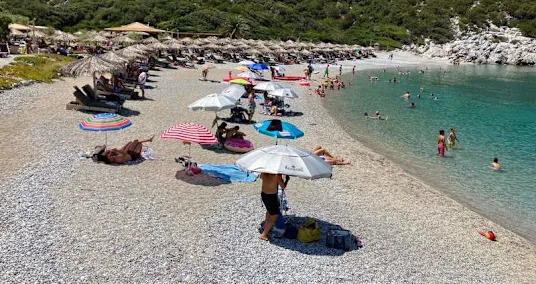
Greece and Cyprus are feeling the effects of the war in the Middle East as the holiday season approaches, with uncertainty over rising costs and economic developments causing concern across the hotel sector.
In Athens, industry representatives are observing a noticeable slowdown in reservations.
Travel agencies and hoteliers say many holidaymakers are hesitating and waiting to see how the situation develops.
Greek Tourism Minister Olga Kefalogianni spoke late last week of the psychological burden caused by the war, but also suggested that holidaymakers may concentrate on destinations considered safe — including Greece, which lies far from the actual crisis region.
Cyprus in contrast is closer to the conflict region and has experienced its effects directly: in early March, an Iranian-made drone struck the British RAF Akrotiri airbase near Limassol, causing minor damage.
The government in Nicosia has launched a package worth €200 million ($230 million) to cushion the economic consequences of the Middle East crisis.
In April, 30% of the wages of employees in hotels and other holiday accommodation will be covered. The government is also planning support for airlines.
Cypriot Tourism Minister Kostas Koumis said that the drop in tourist arrivals from several important markets such as Israel and several Arab states was particularly problematic.




 Artemis II live updates: NASA's historic moon mission set to make lunar flyby today
- 5 VIP Voice Exhibitions in Energized Movies
- Vote in favor of your #1 sort of juice
- Roche breast cancer pill cuts risk of disease recurrence by 30% in trial
- $30K Disability Scam Implodes After Surf Trip in Mexico
- The race to mine the moon is on – and it urgently needs some clear international rules
- Manual for Tracking down the Mysterious Cascades in China
- Millions in JDM Exports and Exotic Supercars Are Currently Trapped at Sea
- 7 Moves toward a Sound and Dynamic Way of life