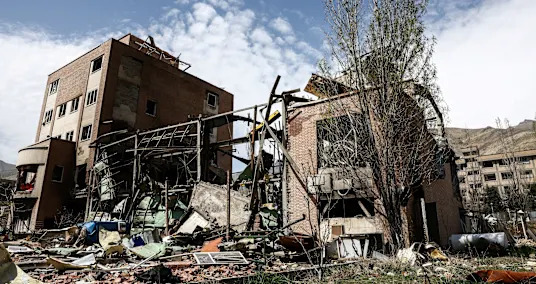
In Tehran, a city of nine million people, schools are closed, businesses are shuttered or struggling, and locals are living without a functioning air-raid warning system or public shelters. In many areas, the first sign of an incoming strike is the explosion itself.
There have been twice as many US and Israeli attacks on Iran compared to the number of Iranian retaliatory strikes since the war began — and the numbers killed in Iran have been orders of magnitude greater than in the neighboring Gulf states. A nationwide internet blackout, now entering its second month, has left civilians unable to access information about safety, shelter, and food and has meant some are unable to work. But while millions have fled Iran’s cities, many more are staying where they are. Some residents are hoping the US and Israeli bombs will cause the regime to collapse; others are left wondering if they are at risk if their neighbors are targeted.
For the many Iranians with ties to Dubai, there are other pressures, with Iranian nationals now barred from entering or transiting through the UAE. Residency permits, even for those with long-term Golden Visas, are reportedly being revoked without notice.

latest_posts
- 1
 From invasive species tracking to water security – what’s lost with federal funding cuts at US Climate Adaptation Science Centers
 - 2Palestinian infant freezes to death in Gaza as Israel keeps blocking aid
- 3Becoming amazing at Systems administration: Individual and Expert Tips
- 4'Spending more on gas than groceries:' Rising fuel prices drive more San Antonio families to the Food Bank amid Iran war
- 5Corcept Therapeutics shares surge as lead drug gets FDA nod for ovarian cancer



- Family-Accommodating Snow Sports Experiences
- Banks for High Fixed Store Rates: Amplify Your Reserve funds
- Israel, Gulf states report fresh missile and drone attacks
- NASA begins the countdown for humanity's first launch to the moon in 53 years
- Step by step instructions to Get the Best Vehicle Rent Arrangement: Insider Tips and Systems
- OECD: Iran war dampening global growth
- Geminid meteor shower, one of the year's most reliable, peaks this weekend
- Instructions to Redo Your Kona SUV for Improved Tasteful Allure and Usefulness
- Figure out How to Protect Your Gold Venture from Unpredictability