A diplomatic memo cited by The Times says Iran’s supreme leader is in severe condition and unable to take part in decision-making, deepening uncertainty over who is running the country.
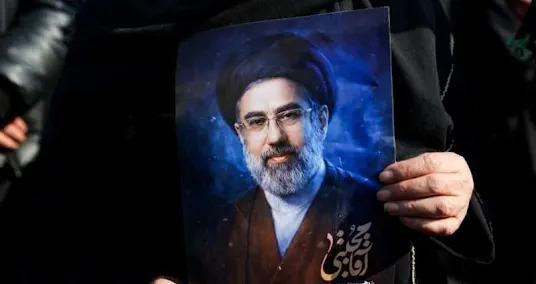
Iran’s Supreme Leader, Mojtaba Khamenei, is incapacitated and receiving medical treatment in the Shi'ite holy city of Qom, according to The Times on Tuesday, citing a diplomatic memo said to be based on American and Israeli intelligence.
The memo allegedly states that Khamenei is unconscious and in severe condition, rendering him unable to participate in regime decision-making, though the claims have not been independently verified.
According to the report, the memo was shared with Gulf allies and appears to be the first document that reports Khamenei's location, which had not previously been made public.
The reported condition of Mojtaba Khamenei, who succeeded his father after Ali Khamenei’s death in Israeli and US strikes on February 28, is likely to deepen uncertainty over who is effectively running Iran during the war. Although Iranian officials have insisted that he remains in charge, his absence from public view since the conflict began has fueled speculation that power may rest elsewhere within the regime.
Khamenei has reportedly been incapable of running the Islamic regime for several weeks. Any prolonged inability to govern would likely intensify questions about whether the Islamic Revolutionary Guard Corps now holds de facto control.

The report also said that two statements attributed to Khamenei have been broadcast on Iranian state television since the war began, but no audio or video of him speaking directly has been released. That absence has added to unverified claims from opposition-linked sources that he remains in critical condition.
The same memo, according to The Times, said preparations were underway in Qom for a large mausoleum for Ali Khamenei and possibly other family members. If correct, that would differ from earlier Iranian reports on Ali Khamenei’s burial plans, while mourning ceremonies were expected in Tehran.
Delay in Ali Khamenei's ceremony pokes holes in Iran's illusion of controlled governance
The delay in a state funeral has also raised questions. Iranian authorities previously said the ceremony was postponed because of expectations of an exceptionally large turnout, but the continued uncertainty has drawn scrutiny because Shi’ite custom traditionally favors burial soon after death.
Qom has already played a central role in the post-Khamenei succession story. In early March, Israeli strikes in Qom hit the building where the 88-member Assembly of Experts was reportedly meeting to choose a successor to Ali Khamenei, underscoring the city’s central role in both the clerical succession process and the regime’s power structure.
latest_posts
- 1
 The Main 15 Powerful Business Heads of Today
- 2Figure out How to Involve a Brain science Certification in Showcasing
- 3Ancient Pompeii construction site reveals the process for creating Roman concrete
- 4Vote in favor of the subject that you see as generally captivating and intelligent!
- 5How a toxic self-improvement trend with a funny name took over your feed



- Famous Network programs in Europe and America
- Al-Sharaa denies he called for 80% of Syrians to return from Germany
- Huge solar flare no threat to Artemis 2 astronaut launch to the moon, NASA says
- Spotify Wrapped and Apple Music Replay are here: Top songs, albums and artists of 2025
- Reconnecting with an old friend is a story of distance, loss and rediscovery
- The most exciting exoplanet discoveries of 2025
- From Certificate to Dollars: College Majors with Extraordinary Monetary Prizes
- Germany's Lufthansa enters race for stake in Portuguese airline TAP
- Shredded cheese sold in dozens of states recalled due to potential for metal fragment contamination